

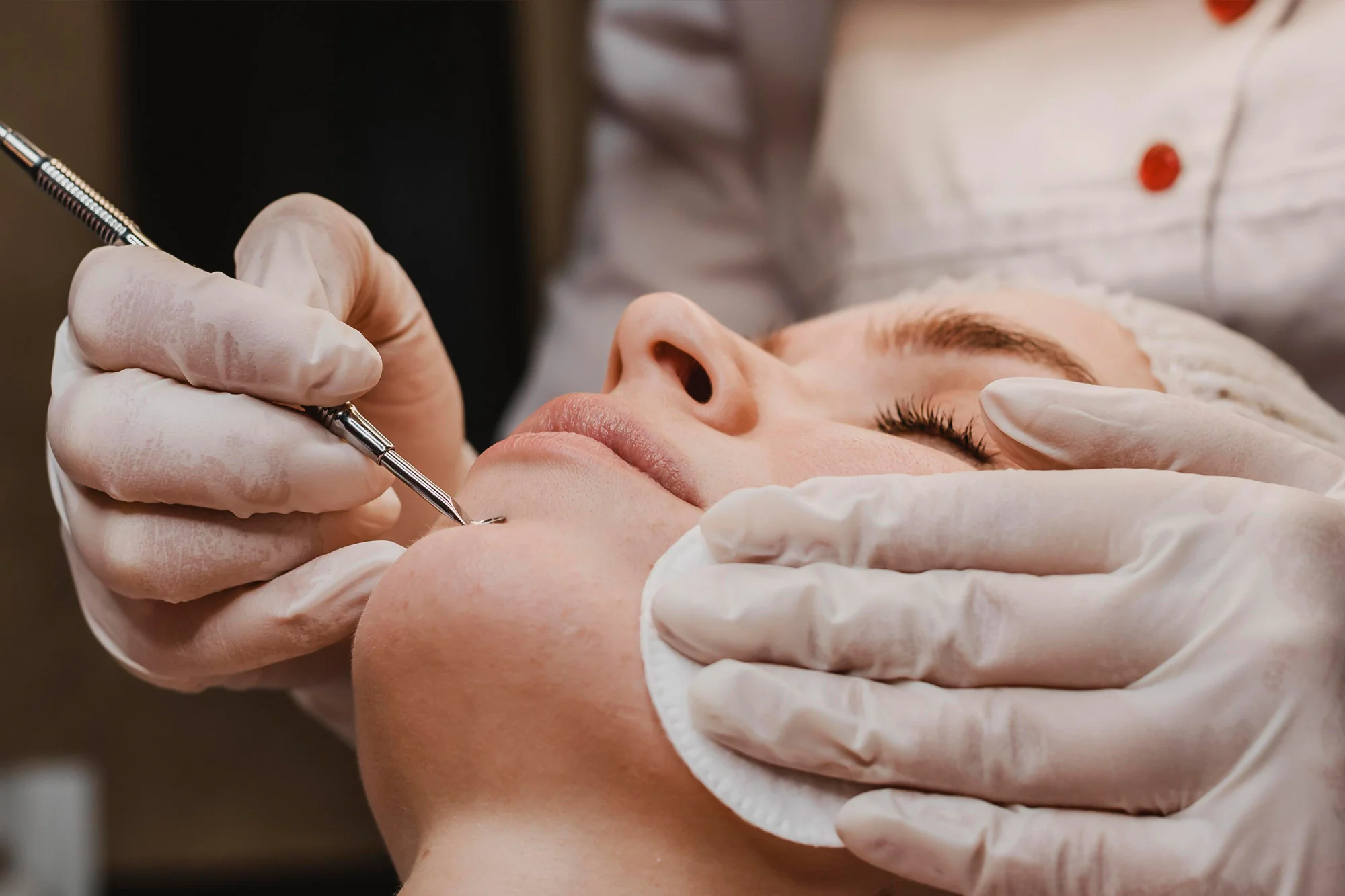
The Histology of Texture: Addressing Post-inflammatory Hyperpigmentation and Scarring through Controlled Dermal Remodelling
Most people who’ve dealt with acne already know the frustration of clearing the breakouts and then being left with the marks they leave behind. The skin settles, the active spots calm down, and you expect things to return to normal on their own slowly. For a lot of people, that return never quite happens, and the texture and discolouration left behind can feel just as hard to live with as the original breakouts were in the first place.
That’s where acne scar treatment in Beaconsfield becomes a conversation worth having, because the marks and texture changes acne leaves behind are not surface-level problems. They’re structural, and they respond to a very different kind of treatment than the creams and cleansers that addressed the original breakouts. A Google search for “Skin Booster near me” can help, but understanding why the Scar is occurring is essential.
Understanding What a Scar Actually Is Beneath the Surface
When the skin experiences deep inflammation from a spot, the body sends a rapid repair signal to the damaged area to close things off as quickly as possible. That speed is useful for healing, but it isn’t as precise as normal, undamaged skin construction over time.
The collagen fibres laid down during that emergency repair process are disorganised and irregular compared with the structured collagen found in healthy, undamaged skin tissue. Normal collagen fibres lie in a basket-weave pattern that gives the skin its smooth, even surface when viewed from above. Scar collagen runs in stiff, tangled bundles that pull the skin inward, creating the pitting and uneven texture that you can feel when you run a finger across the affected area.
That pulling effect is called tethering, and it’s the reason why some acne scars look like small craters or depressions in the skin rather than flat discolouration. The scar tissue is physically anchoring the skin’s surface downward from beneath, and no topical product can reach deep enough to break that bond on its own.
Breaking the Fibrotic Bond: How Microneedling Creates a Structural Reset
Microneedling works by using very fine needles to create thousands of controlled micro-injuries across the treatment area in a single session. That might sound counterintuitive when the goal is to improve the skin, but the logic behind it is straightforward once you understand what those injuries actually trigger within the tissue.
Each tiny puncture triggers a new wound-healing response at that precise location beneath the skin’s surface. The key differences between this controlled response and the original scar formation are depth, precision, and the absence of active inflammation. The body lays down new, organised collagen to repair the micro-injury channels, and that new collagen gradually replaces the disorganised scar tissue surrounding them over the weeks following each session.
The needles also physically disrupt the fibrotic bands of scar tissue that tether the skin downward, allowing the surface to lift slightly and sit more evenly. That is the structural reset that dermal remodelling refers to in clinical terms, and it is something that only a mechanical intervention reaching beneath the surface can achieve in a meaningful way.
How does Needling Address Dark Marks Left Behind by Spots?
Post-inflammatory hyperpigmentation is the flat, dark discolouration that spots leave behind once they’ve healed, and it results from a different process than the textural scarring described above. When the skin experiences inflammation, the pigment-producing cells, called melanocytes, go into overdrive and deposit excess melanin into the surrounding tissue in response to the injury.
The result is a patch of skin that produces more pigment than the surrounding areas, appearing as a dark mark on the surface even after the original spot has long since cleared. Those marks can persist for months or even years without any targeted treatment to address the underlying pigment distribution.
Microneedling helps regulate this by stimulating cell turnover throughout the treated area, encouraging the skin to cycle through and replace the pigment-heavy cells more efficiently. It also improves the skin’s overall response to topical brightening ingredients by creating microchannels that allow those actives to penetrate much deeper into the tissue than they could through intact skin alone. That combination of mechanical stimulation and improved ingredient delivery can produce noticeably faster clearance of hyperpigmentation than either approach alone.
Restoring Blood Flow to Scar Tissue
One reason older acne scars can look grey, flat, and lifeless compared to the surrounding skin is that scar tissue has a much poorer blood supply than healthy tissue beneath the surface. The disorganised structure of scar collagen doesn’t support the development of normal blood vessels as the healthy dermis does, so the area receives less circulation and less oxygen and nutrients that give skin its natural colour and vitality.
Microneedling stimulates a process called neovascularisation, which means the formation of new blood vessels in the treated area over time. As circulation improves beneath the scar, the tissue begins to receive the nutrients it needs to remodel properly, and the surface colour gradually normalises as the blood supply catches up with the surrounding healthy skin.
Why Results Build Gradually across Multiple Sessions
Does one microneedling session fix everything at once? The honest answer is no, and it’s worth understanding why that’s actually a good sign rather than a limitation.
Collagen remodelling is a slow biological process that takes place over weeks and months rather than days. Each treatment session adds another layer of stimulus to the process, and the results compound over the course of treatment in a way that a single session alone cannot replicate. Most people see meaningful improvement after three to six sessions spaced four to six weeks apart, with the full extent of the remodelling continuing to develop for several months after the final session.
If uneven texture, pitting, or pigmentation marks are something you’re ready to address, book a texture-focused consultation with Define Clinic, and we’ll assess exactly what’s happening in your skin and put together a remodelling plan built around your specific concerns.
Featured Image Source: https://www.freepik.com/free-photo/beautiful-woman-wellness-center-skin-treatment_12112282.htm#fromView=search&page=1&position=4&uuid=e0b143a1-ea92-45c2-9d69-2965b5071351&query=Acne+scar+treatment
