

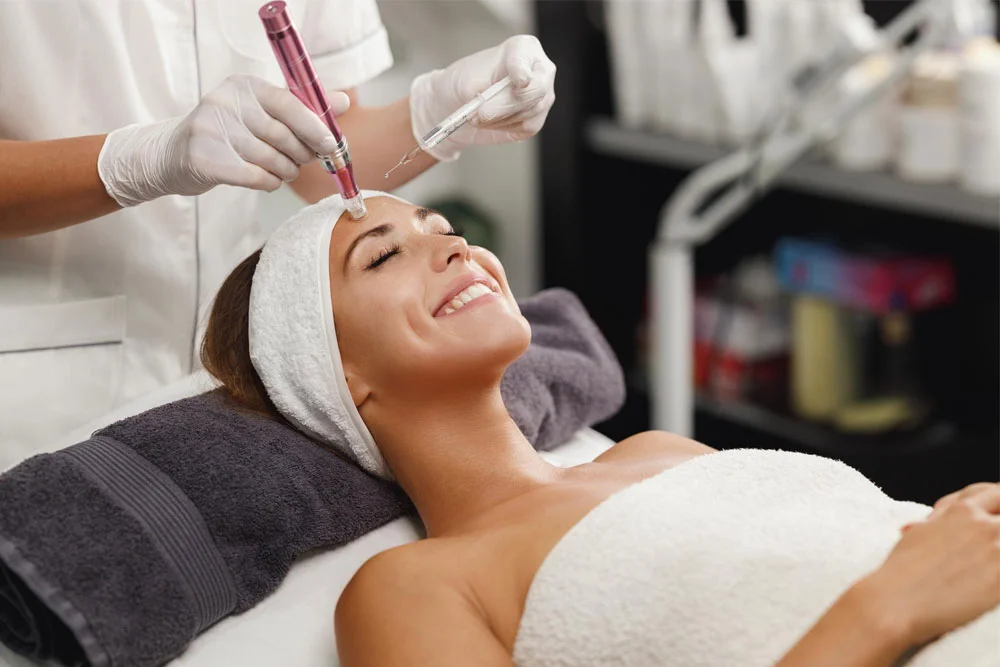
How to Avoid Unregulated Needling
Microneedling looks simple. A device, some tiny needles, a bit of redness afterwards. That simplicity is exactly why it’s ended up in places it really shouldn’t be, done by people who aren’t trained for it. This guide explains the risks of unregulated needling, what proper standards look like, and how to make sure you’re in safe hands.
Key Takeaways:
- Microneedling creates tiny wounds, so hygiene and training genuinely matter.
- Unregulated needling carries real risks of infection and scarring.
- A qualified practitioner and a proper clinic are the safeguards.
On paper, microneedling is straightforward. A device covered in fine needles creates thousands of tiny channels in the skin, which kick-starts your natural repair process. Done well, it improves texture, tone and firmness over a course of sessions.
The problem is that “done well” is doing a lot of work in that sentence. Because it looks so simple, microneedling in Beaconsfield has spread far beyond medical clinics, into salons, kitchens and living rooms. If you’re considering microneedling in Beaconsfield, knowing how to tell safe from unregulated is the most important thing you’ll do.
Here’s why it matters more than people assume, and what to look for.
What Microneedling Actually Does
Let’s be clear about what’s happening under that device. Microneedling isn’t a surface treatment. It deliberately makes controlled micro-injuries in the skin.
That’s the whole point, and it’s what makes it work. Those tiny wounds trigger collagen and repair. But wounds, however small, mean two things. The skin is broken, so hygiene is critical. And depth matters, because going too deep or too aggressively can cause real damage. This is why who does it, and how, is not a small detail.
The Real Risks
When needling is done badly, or in the wrong setting, the risks aren’t hypothetical. They’re the reason this needs proper oversight.
The main problems come down to a few things:
- Infection, when equipment or skin isn’t properly sterile.
- Scarring, from needles set too deep or dragged incorrectly.
- Pigment changes, particularly on richer skin tones treated carelessly.
- Cross-contamination, when devices or heads are reused between people.
None of these is common in a proper clinical setting. All of them become far more likely the moment standards slip. That’s the entire risk of unregulated needling in a nutshell.
The At-Home Trap
At-home rollers and kits deserve a special mention, because they’re everywhere and they feel harmless.
The honest position is this. The needles on home devices are usually too short to do much good, which makes them fairly pointless. And if they are long enough to do something, they’re long enough to harm untrained hands. Add in the fact that most people don’t sterilise them properly between uses, and you’ve got a recipe for irritation, breakouts, or worse. A cheap roller from the internet is not the same treatment as professional microneedling. Not even close.
What Good Looks Like
So what should proper, regulated needling actually involve? Once you know, the difference is easy to spot.
A safe treatment means a trained practitioner using a professional, medical-grade device. It means single-use, sterile needle heads, every time, with no exceptions. It means a proper consultation first, where your skin type and history are assessed, and the depth is chosen for you. And it means a clean, regulated clinical environment, not a back room or a kitchen table. If any of those are missing, that’s your answer.
Questions To Ask
You don’t need to be an expert to protect yourself. A few direct questions tell you almost everything.
Before you book, it’s fair to ask:
- Who will be doing the treatment, and what’s their training?
- Is the needle head brand new and single-use?
- Will my skin be properly assessed beforehand?
- Is the clinic set up and run to clinical standards?
A good clinic will answer all of these happily and clearly. Any hesitation, vagueness, or irritation at being asked is a warning worth listening to.
Choosing A Clinic
This all comes back to where you go, which matters far more than the device or the price.
If you’re weighing up microneedling in Beaconsfield, look for a clinic that:
- Uses trained practitioners and medical-grade equipment.
- Insists on sterile, single-use needle heads.
- Assesses your skin properly before treating it.
A clinic that treats needling as the medical procedure it actually is, rather than a quick beauty add-on, is the one worth trusting with your skin.
Skin Is Worth Protecting
So, in short. Microneedling is a genuinely good treatment, but only when it’s done properly, by the right person, in the right place. The technique is only as safe as the standards behind it.
If you’d like it done the careful way, a Beaconsfield clinic such as Define Clinic can assess your skin and treat it to proper clinical standards. When it comes to anything that breaks the skin, that safety is well worth the extra thought.
