

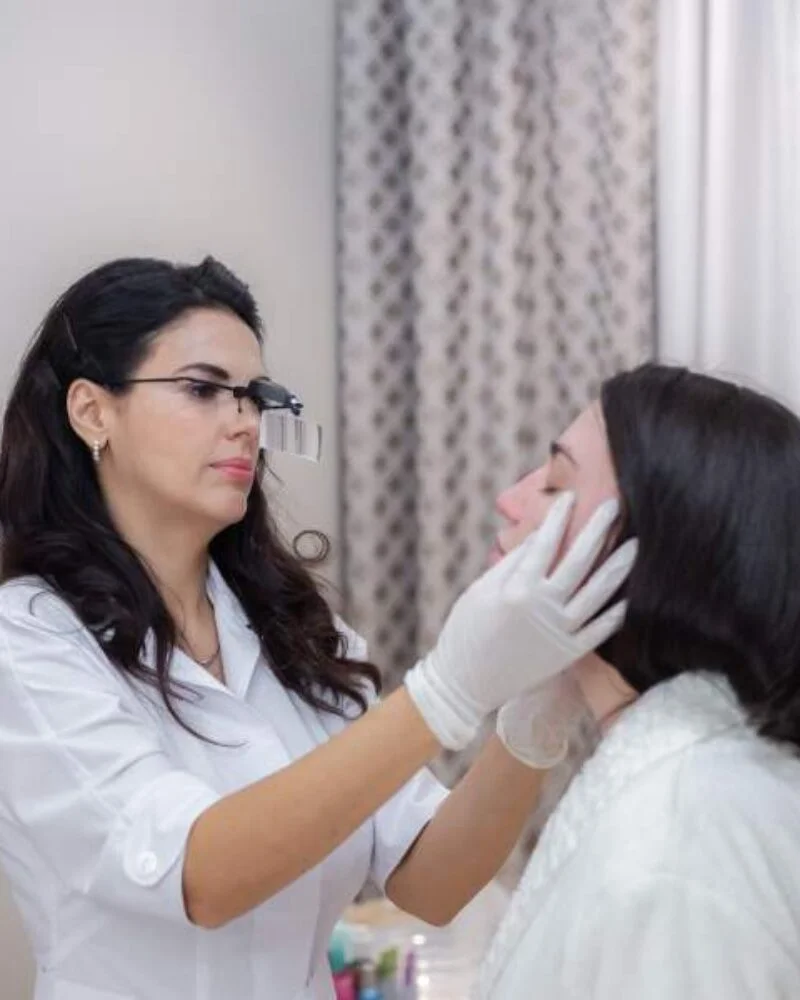
The Role of a Cosmetic Surgeon in Non-Surgical Treatments
It almost sounds like a contradiction, doesn’t it? You’d expect a cosmetic surgeon to be in an operating theatre, not running a filler appointment. Yet plenty of them do exactly that, and there’s a solid reason behind it. Surgical training adds real value to injectables and skin work. It can genuinely change the result you walk away with.
Key Takeaways:
- A cosmetic surgeon understands facial anatomy at a level few injectors match.
- That knowledge makes treatment safer and the advice more honest.
- It also means someone can act fast if a rare complication ever occurs.
Picture a cosmetic surgeon, and you probably think of operating theatres and big transformations. So it can throw people to see one performing something as routine as a filler top-up. There’s a good reason behind it, though, and it’s worth grasping before you decide where to book.
If you’ve been hunting for a non-surgical treatment near me, you’ll know how many places offer injectables these days. They turn up everywhere, from salons to high-street clinics to weekend pop-ups. The problem is that the training behind the needle swings wildly from one to the next. And when it’s your face on the line, that training counts for a lot.
So what does a surgeon really bring to something non-surgical? Quite a lot, as it happens. Let’s go through where that expertise actually earns its keep.
Why A Surgeon
Let’s start with the obvious question. Why would someone trained to operate spend time on treatments that never break the skin? The honest answer is that the two worlds sit far closer together than they appear.
A cosmetic surgeon spends years learning the face from the inside out, quite literally. They know how the muscles, vessels, and tissue behave beneath the surface. That knowledge doesn’t vanish the moment the scalpel goes down. If anything, it makes them ideally placed to work just under the skin.
Deep Anatomical Knowledge
This is where the surgical background quietly pays off. An injectable looks simple enough from the outside, but doing it well depends completely on knowing what sits underneath.
Think about filler placed near the nose or the lips. Get the depth or the angle slightly off, and you’re suddenly close to important blood vessels. A surgeon has spent years working around exactly those structures, so they inject with a precision that’s genuinely hard to match otherwise. You see it in the outcome, too. Natural, balanced results come from reading the whole face, not just the spot under the needle.
Knowing The Limits
Here’s a benefit that’s surprisingly easy to miss. A good surgeon will be straight with you about when non-surgical simply won’t cut it.
Because they can offer both, a cosmetic surgeon has no reason to push injectables on you. If filler or a laser will genuinely help, they’ll say so plainly. If your goal really calls for surgery, they’ll tell you that instead, rather than selling you something that was never going to work. That sort of honesty is rarer than it should be, and it’s exactly what you want when you’re deciding this.
Handling Rare Complications
Non-surgical treatments carry low risk, but no medical procedure is ever completely risk-free. Once in a while, something does go wrong. A filler might affect a blood vessel, for example, and that has to be dealt with quickly and correctly.
Here’s where surgical training becomes genuinely reassuring. A cosmetic surgeon knows precisely what’s happening beneath the skin, and they can step in fast if a rare problem shows up. You hope you’ll never need that safety net. If you ever do, you’ll be extremely glad it was there.
Why It Matters
So where does all this leave you, the person sitting in the treatment chair? The answer, in a single word, is confidence.
You’re being treated by someone who understands your face at the deepest level, who has nothing to gain from overselling, and who can cope when things don’t go to plan. That’s a hard combination to top. It doesn’t mean every non-surgical treatment demands a surgeon, of course. It does mean the expertise holding the needle deserves a proper look.
Finding The Right Clinic
All of this points to one simple piece of advice. Look past the price tag and the handy location, and pay real attention to who’s actually treating you.
If your search history is full of non-surgical treatment near me results, this is what separates the strong clinics from the rest:
- The person treating you should be medically qualified, ideally with surgical training.
- They should assess your face carefully before recommending anything.
- They should be upfront about whether non-surgical is even the right route for you.
A clinic led by that kind of expertise really does give you the best of both worlds. You get the ease of a non-surgical treatment, with surgical-grade knowledge standing behind it.
The Bigger Picture
So here’s the takeaway to hold onto. A cosmetic surgeon offering non-surgical treatments isn’t overkill in the slightest. It’s usually a sign of a clinic that takes your face, and your safety, seriously.
If you’d like that level of expertise behind your treatment, a Beaconsfield clinic such as Define Clinic offers doctor-led care and will talk you through your options honestly. A consultation is a relaxed way to work out what’s genuinely right for you.
