

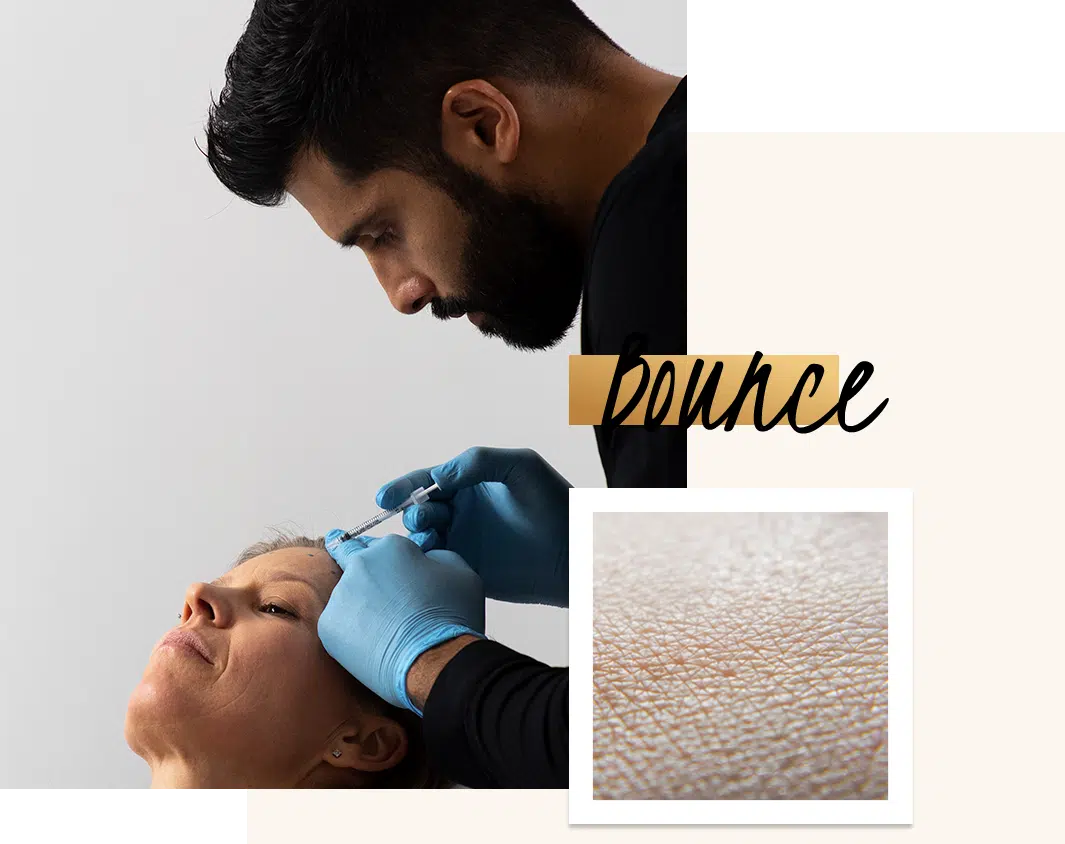
The Danger Zones of the Face in Filler Treatment
In the right hands, filler is safe. In the wrong ones, parts of the face turn risky. Fast. There are certain spots, the danger zones, where the blood vessels beneath make skill non-negotiable. Here’s where they are and why they matter. And how to be sure the hands you’re in are genuinely safe ones.
Key Takeaways:
- A handful of facial areas carry real risk with filler.
- The reason? Blood vessels sitting under the skin.
- Anatomy know-how is your main protection.
Filler has a strong safety record, broadly speaking. Millions of treatments a year, most of them uneventful. But there’s an asterisk on that. Skilled hands make it low-risk. Unskilled ones can make certain areas go badly wrong.
This isn’t here to frighten you. It’s here to arm you. Every filler treatment puts product near blood vessels, and in a few areas those vessels really, really matter. So knowing where the danger zones sit, and what a safe clinic does about them, is how you look after yourself.
Let’s go through it plainly. The higher-risk areas. What can go wrong. And how the experts keep you safe.
Why Zones Matter
The face isn’t uniform when it comes to risk. Some areas forgive a lot. Others sit directly over important vessels, with barely any room for error.
And the danger isn’t the filler. It’s the placement. If product enters or accumulates around a key vessel by accident, blood flow can be blocked. That’s the whole risk, in one sentence. It’s also why some areas ask far more of the injector than others. What keeps them safe is anatomy, not luck.
The Vascular Risk
Here’s the crux, stripped right back. Your face is laced with blood vessels, and some feed critical structures. Careless placement can squeeze or block one of them.
Cut off that blood flow, and the tissue it supplies starts to suffer. There’s a name for it. Vascular occlusion. It’s the complication every serious injector actively plans around. Rare, yes, especially with an expert. But it’s exactly why these areas earn such respect, and why a bargain injector near them is a genuinely bad idea.
The High-Risk Areas
A few regions are famous for needing extra care. You don’t have to be a doctor to know them.
The usual higher-risk suspects:
- The nose. Especially during non-surgical rhinoplasty.
- The glabella, that patch between the brows.
- The under-eye. Delicate, and quick to punish mistakes.
- The temples and the nasolabial folds.
None of these is off-limits, mind you. Experts work them safely, day in, day out. But this is precisely where training and anatomy prove their worth, and where inexperience turns dangerous.
What Can Go Wrong
Let’s be straight about the risks. No melodrama. Most filler side effects are minor. A bruise here, a bit of swelling there. The serious stuff is rare, but you should still understand it.
Block a vessel, and the skin it feeds can be harmed, requiring quick treatment. And on very rare occasions, occlusion near certain spots can affect vision. Uncommon outcomes, especially with a skilled injector who acts fast. So the point isn’t panic. It’s grasping why expertise and a plan for when things go sideways count for so much.
How Experts Stay Safe
So what do good injectors actually do about all this? It begins, every time, with a deep grasp of anatomy. Know where the vessels run, and everything else follows.
From there, a proper clinic takes its time, never rushes, and keeps the kit on hand to deal with a complication if one crops up. With the most common filler, that means hyaluronidase, the dissolving agent, ready on the shelf. They spot the warning signs early, and they move quickly. You don’t need the technical side of it. You just need to know a serious clinic has all this covered, as standard.
Choosing A Safe Injector
Now your part, because your choice of injector is the biggest safeguard going. Price? That belongs near the bottom of the list.
Before any filler treatment, especially anywhere higher-risk, pick a clinic that:
- Uses an experienced medical injector with proper anatomical training.
- Keeps hyaluronidase on hand for complications.
- Recognises the warning signs, and acts fast.
Ask these things outright. You’re allowed. A good clinic is glad you asked, not put out by it.
Safety First, Always
So, the short of it. Filler is safe in expert hands, yet some areas of the face carry real risk due to the underlying vessels. The danger zones aren’t no-go areas. They just demand real skill, plus a clinic ready for the rare day something goes wrong.
If you’d like filler from people who take this seriously, a clinic such as Define Clinic can assess and treat you safely, with expertise leading the way. When it comes to your face and your safety, that expertise is worth everything.
