

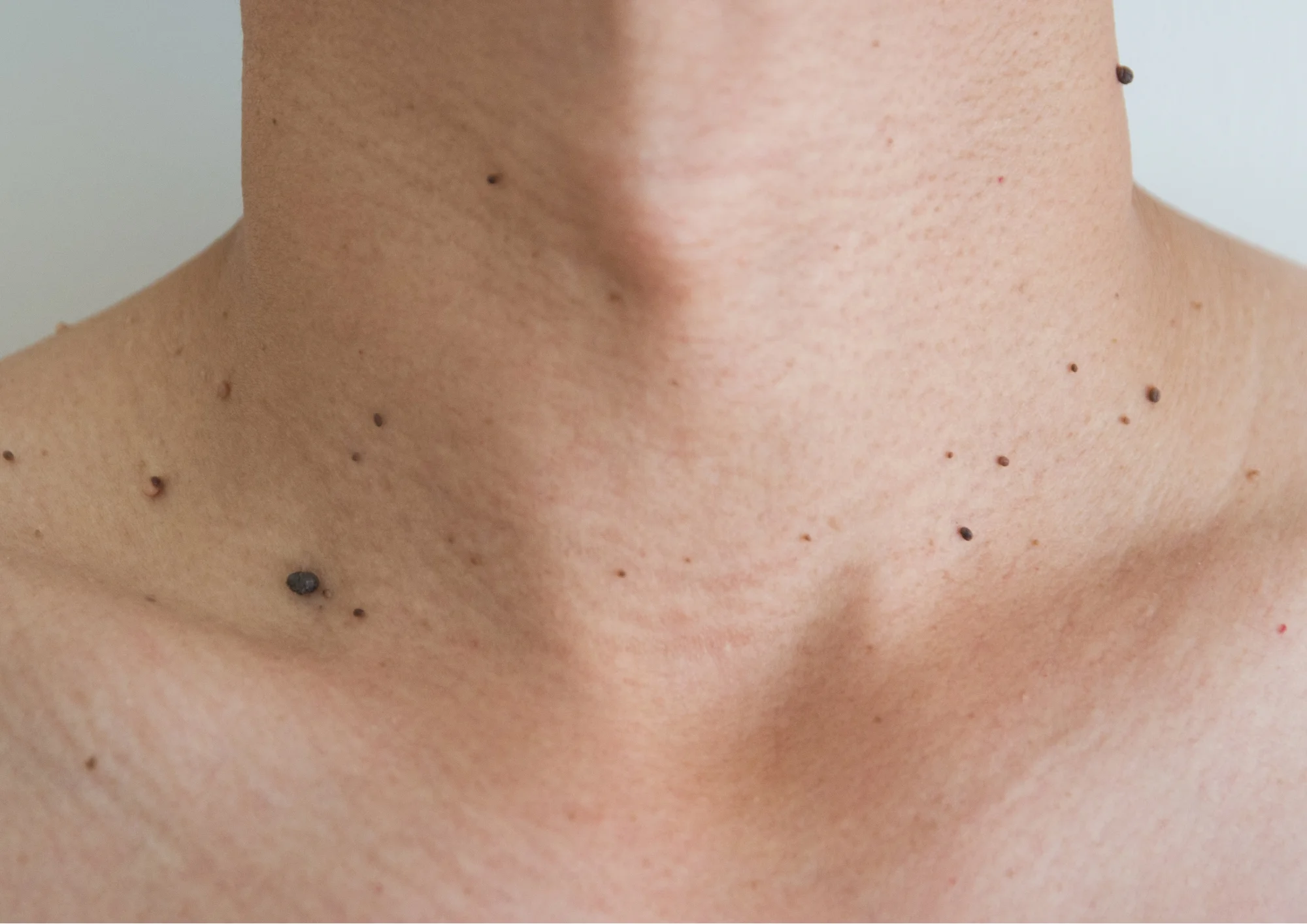
Mole Removal in London: Why the Right Surgeon Matters
Here’s a question people rarely ask. Why would a cosmetic surgeon be involved in treatments that aren’t surgery? It seems like a mismatch. It isn’t. A surgeon’s training brings something valuable to non-surgical work, from injectables to minor procedures. Here’s what that expertise actually adds.
Key Takeaways:
- A surgeon understands facial anatomy at a deeper level.
- That knowledge makes non-surgical treatments safer and more natural.
- It also matters for minor procedures like mole removal.
You’d expect a cosmetic surgeon in the operating theatre. Facelifts, that sort of thing. So it surprises people to find one doing injectables or removing a mole. Why bother with a surgeon for something non-surgical?
The answer comes down to depth. If you’re looking into non-surgical work, or even mole removal in London, a surgeon’s understanding of the face runs deeper than the treatment itself. And that depth quietly shapes the result. Often in ways you never see.
So let’s look at what it actually brings, and where it matters most.
Anatomy Runs Deeper
A surgeon spends years learning the face from the inside out. Not just the surface. Every layer beneath it.
Muscle. Fat. Nerves. Blood vessels. Where they sit, how they connect, how they vary from person to person. That’s the map a surgeon carries around in their head. Built over years, not weekends. And it’s exactly the map that keeps non-surgical treatments safe, because injectables work in those very same layers, just without a scalpel. Same territory, gentler tools.
Safer Injectables
This is where the training shows most. Injectables carry real risk in the wrong place, especially near vessels.
A practitioner who understands the deep anatomy knows precisely where those danger zones are. Where to treat. Where to stay well clear. That knowledge is the main defence against the serious complications, and it’s second nature to someone with surgical training. The needle changes, but the anatomy underneath stays the same.
More Natural Results
Safety is one half. The look is the other, and here anatomy matters just as much.
A surgeon reads a face as a whole structure. They see why it looks the way it does. Lost support here, a shift there. So instead of chasing one line, they treat the cause. That’s the difference between a face that looks refreshed and one that looks obviously done. Understanding the architecture is what keeps things subtle. Treat the structure, and the surface follows.
Minor Procedures Too
Non-surgical doesn’t only mean injectables. It also covers the small, in-clinic procedures, and this is where surgical skill really earns its place.
Take a few examples:
- Mole removal, done cleanly with a proper eye for scarring.
- Skin lesion removal, with tissue sent for testing when needed.
- Minor procedures that sit between aesthetics and dermatology.
For something like mole removal in London, that surgical background means a neat result and, crucially, the judgement to send tissue for testing when there’s any doubt. That combination is harder to find than it should be, and it genuinely matters.
Knowing The Limits
Here’s a quieter benefit. A surgeon knows exactly what surgery can do, so they also know when it isn’t needed.
That cuts both ways. They won’t oversell a non-surgical treatment that can’t deliver what you want. And they won’t push you toward surgery you don’t need either. Someone who genuinely understands both worlds gives more honest advice. They have nothing to prove either way. You get pointed to the right treatment for you, not just the one that happens to be on offer that day.
Choosing A Clinic
All of this comes back to who’s actually treating you, which matters more than the treatment name on the price list.
If you’re weighing up non-surgical treatments, or mole removal in London, look for a clinic that:
- Is led by properly qualified medical or surgical professionals.
- Assesses your face and your goals before recommending anything.
- Is honest about when surgery would serve you better.
A clinic with real depth of training, applied carefully, is the one to trust with your face.
The Value Of Depth
So, in short. A cosmetic surgeon’s role in non-surgical treatments isn’t a contradiction. That deep understanding of the face makes injectables safer, results more natural, and minor procedures cleaner and better judged. It is expertise you feel more than you see.
If you’d like that kind of assessment, a London aesthetic clinic such as Define Clinic London can look at your face and talk you honestly through your options, surgical or not. A consultation is the sensible place to start.
