

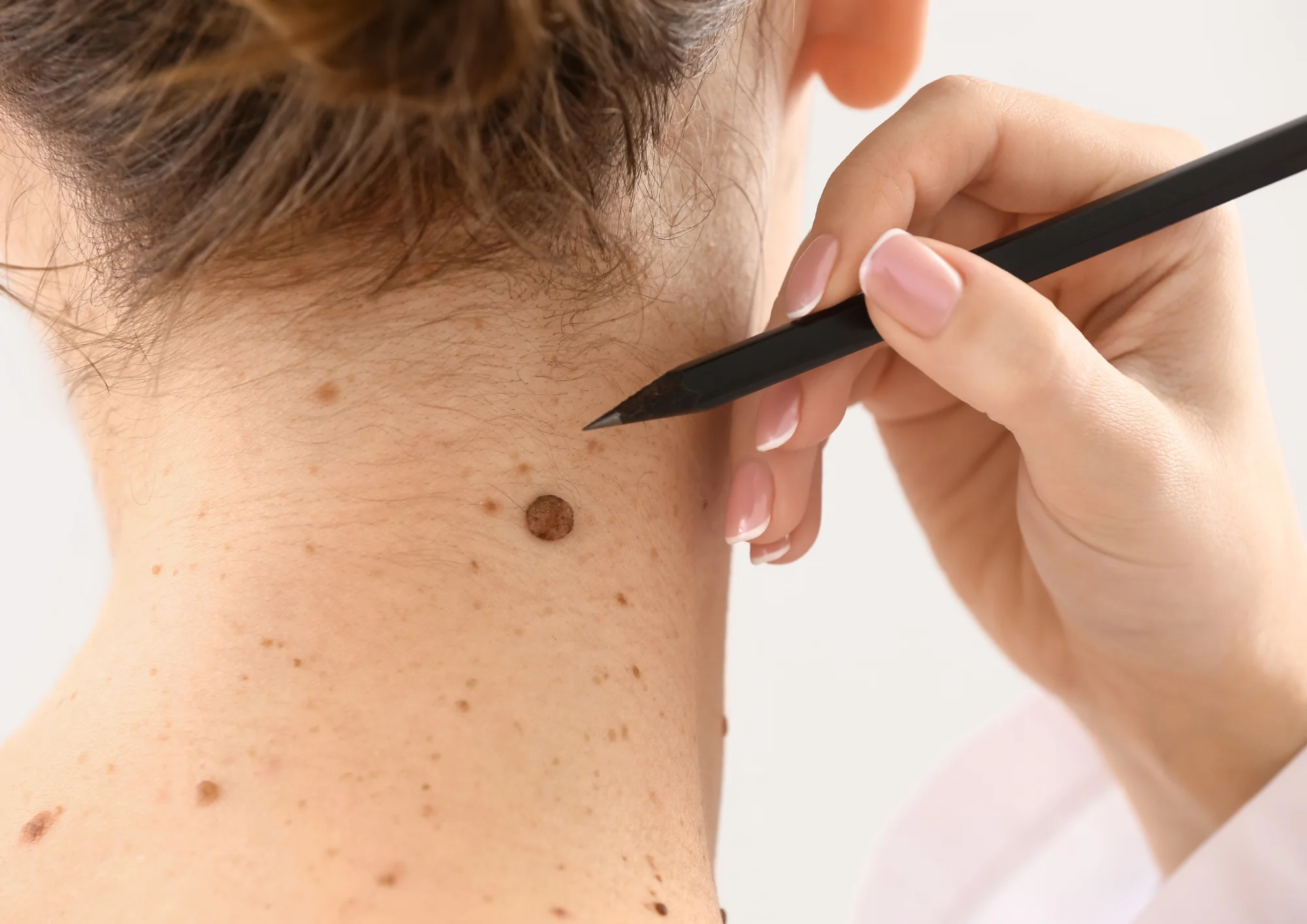
Mole Removal Methods: Excision, Shave and Laser
Not all mole removal is the same. There are three main methods, and they’re genuinely different in how they work, what they suit, and one crucial detail most people never think about. This guide walks through excision, shave and laser, and explains why the right choice comes down to the mole itself, not the price or the scar.
Key Takeaways:
- Three main methods exist: excision, shave and laser.
- The right one depends on the mole, not your preference.
- Only some methods allow the tissue to be tested afterwards.
Most people researching mole removal are thinking about two things. Will it scar, and how much will it cost? Fair questions. But they skip the one that actually matters most: how the mole comes off in the first place.
If you’re looking into mole removal in Beaconsfield, the method isn’t really yours to pick. A good clinician chooses it based on the mole, where it sits, and whether it needs testing. Get that decision wrong, and you can end up with a poor result, or worse, a mole that should have been checked and wasn’t.
So here’s the honest rundown. Three methods, what each one does, and when it’s the right call.
Surgical Excision
This is the most thorough option. The mole is cut out completely, along with a small margin around it, and the skin is closed with stitches.
It’s the go-to whenever a mole is deeper, or when there’s any suspicion about it. Why? Because excision removes the whole thing in one piece, which means the entire mole can be sent for testing. The trade-off is a small line scar where the stitches were. For a mole that needs proper handling, though, that’s a fair price for doing it right.
Shave Removal
Shave removal is quicker and gentler. The mole is carefully shaved off flush with the surrounding skin using a fine blade, usually under local anaesthetic.
It suits raised, clearly benign moles, the kind that sit proud of the skin. There are no stitches, and healing tends to be fast, often leaving just a flat mark rather than a line. The catch is that shaving takes the mole off at the surface rather than removing it entirely. So there’s a chance a raised mole can slowly return over time. For the right mole, it’s a neat, low-fuss option.
Laser Removal
Laser is the most limited of the three, and it’s important to understand why. It works by breaking down the pigment or tissue, so the mole gradually fades rather than being physically removed.
It can be a tidy choice for small, flat, clearly harmless moles where a scalpel would be overkill. But there’s a serious limitation. Laser destroys the tissue as it works, which means there’s nothing left to send to a lab. Nothing to test. So laser is never the right method for a mole that’s changing, unusual, or in any way suspicious. In those cases, the tissue has to be preserved.
The Testing Question
This is the part that ties everything together, and it’s the bit people overlook. When a mole is removed for any medical reason, the tissue should be sent for histology, which is laboratory analysis.
That test is the only way to confirm what a mole actually was. And it’s exactly why the method matters so much. Excision preserves the whole mole for testing. Shave removal can often provide a sample too. Laser leaves nothing. So if there’s any doubt at all about a mole, the method chosen must allow testing. A clinic that reaches for laser on a suspicious mole is making a genuine mistake.
Choosing A Clinic
Given all that, the clinic you choose matters more than the method on any price list.
If you’re comparing options for mole removal in Beaconsfield, look for a clinic that:
- Assesses the mole properly before deciding how to remove it.
- Is led by a doctor or suitably qualified medical professional.
- Sends tissue for testing whenever there’s any medical doubt.
- Will refer you or involve your GP if something looks concerning.
A clinic that talks about testing before it talks about scars or price has its priorities in the right order.
Getting It Right
So, the short version. Excision is the thorough, testable option. Shave is quick and neat for raised benign moles. Laser suits small, clearly harmless ones, but can’t be tested. The right choice always starts with what the mole is, not how you’d prefer to have it done.
If you’ve got a mole you’d like looked at, a Beaconsfield clinic such as Define Clinic can assess it and recommend the safest method for your situation. And if anything about a mole is worrying you, please don’t wait; speak to your GP or a clinic sooner rather than later.
