

What Is Anatomical Mapping in Aesthetic Medicine?
Anatomical mapping is the quiet work that happens before any needle appears. It’s how a practitioner reads what sits beneath your skin, from muscle and fat to nerves and blood vessels, then plans around it. Nobody talks about it much. But it’s the single biggest reason some results look natural and safe, while others go wrong. Here’s what it involves and why it matters.
Key Takeaways:
- Mapping is the assessment of what lies under your skin, before treatment.
- It guides where to treat, where to avoid, and how much to use.
- No two faces map the same way, which is why templates fail.
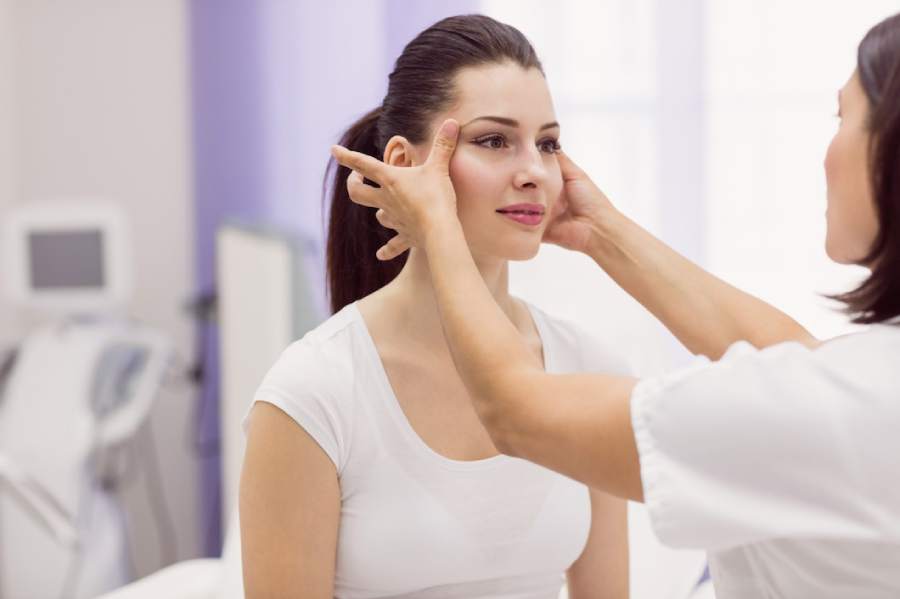
Watch a good injector at work and the interesting part happens before anything is injected. They’re looking. Really looking. Watching your face move, pressing gently here and there, working out what’s going on underneath.
That’s anatomical mapping. Not a fancy machine, and not a scan. It’s the practitioner building a mental picture of your individual anatomy, then planning the treatment around it. If you’ve ever typed aesthetic clinic near me into a search bar and wondered what separates the good ones from the risky ones, this is a big part of the answer.
It sounds technical, and it is. But the idea is easy enough to follow. Let’s go through what mapping means, why the face demands it, and what it looks like in a proper consultation.
What Mapping Means
Think of the face as layers. Skin on top. Then fat, muscle, and bone underneath. Threaded through all of it are nerves and blood vessels, some of them important.
Anatomical mapping is the practitioner working out where all of that sits on you specifically. How deep your fat pads are. Which muscles pull hardest when you frown. Where the vessels are likely running; it’s the mental map they build before deciding anything about treatment.
Why Faces Differ
Here’s the thing that surprises people. Textbook anatomy is a guide, not a rule. Real faces vary enormously.
Blood vessels don’t follow identical paths in everyone. Muscle strength differs. Fat pads sit at different depths and shrink at different rates. Two people the same age, with the same concern, can have completely different anatomy underneath. That’s exactly why a one-size-fits-all approach falls, and why an injector who treats every forehead identically is taking a gamble they shouldn’t.
How Practitioners Map
Mapping isn’t one single test. It’s a handful of things layered together, and most of it happens while you’re chatting.
Here’s what tends to be involved:
- Watching your face at rest, then in full movement.
- Feeling the tissue to judge depth, firmness, and support.
- Assessing your proportions and how features relate.
- Taking your history, including previous treatments.
That last one matters more than people expect. Old filler, previous surgery, even scarring changes the landscape underneath. A practitioner needs to know what’s already there before adding anything.
Mapping And Safety
This is where mapping earns its keep. Certain areas of the face carry real risk, because major blood vessels run close to the surface.
The nose, the area between the brows, the temples, the area around the eyes. All of these demand serious respect. If filler enters a vessel, the consequences can be severe, and it’s the complication every good injector plans around. Mapping is the main defense. Knowing where vessels are likely to run, staying at safe depths, choosing needle or cannula thoughtfully, injecting slowly and carefully. None of that is dramatic. It’s just careful, and careful is what keeps people safe.
Mapping And Natural Results
Safety is one half. The other half is how the result actually looks.
An injector who maps properly understands why your face looks the way it does. Maybe your midface has lost support, so the lower face looks heavier. Maybe one brow sits lower because that muscle works harder. Treating the visible symptom without understanding the cause is how people end up looking odd rather than refreshed. Map first, and you treat the thing that’s actually driving the problem. That’s the difference between a face that looks rested and one that looks worked on.
What To Expect
So what does this look like from your side of the chair? Mostly, it looks like a slower start than you might expect.
A practitioner who’s mapping will spend real time on assessment before touching anything. They’ll ask you to frown, smile, raise your brows. They’ll look at your face straight on and from the side. They’ll ask about past treatments, sometimes in more detail than feels necessary. And they’ll explain what they’re seeing, which is a good sign in itself. If someone reaches for a syringe within two minutes of meeting you, that’s a warning, not efficiency.
Choosing A Clinic
All of this comes down to training and experience, which is why the clinic matters as much as the product.
Searching for an aesthetic clinic near me will give you plenty of options. Sorting them takes a bit more thought. Look for a clinic that:
- Uses qualified medical professionals with real anatomical training.
- Spends proper time assessing before it suggests anything.
- Explains its reasoning rather than just naming a treatment.
- Is willing to say no when something isn’t right for you.
A practitioner who talks confidently about anatomy, and about what they won’t do, is usually one who knows the territory well.
The Work Beforehand
So, in short. Anatomical mapping is the thinking that happens before the treating. It’s how a practitioner learns your face specifically, rather than working from a generic template, and it drives both the safety and the subtlety of the result.
If you’d like to see what a properly considered assessment feels like, a London aesthetic clinic such as Define Clinic London can talk you through your face and your options honestly. A consultation is a low-pressure way to start, and the mapping happens whether you go ahead or not.
