

How Microneedling Triggers Collagen Induction
Microneedling almost sounds too simple. A few tiny needles. A bit of controlled injury. Better skin. Yet there’s proper science under the bonnet. Those little pricks wake up your skin’s own repair machinery, and fresh collagen is the reward. Here’s how collagen induction really works, and why the injury is the entire point.
Key Takeaways:
- Tiny controlled injuries wake up your skin’s repair response.
- That response lays down fresh collagen and elastin.
- Results arrive slowly, over a course of sessions.
At first glance, microneedling makes no sense at all. You injure the skin deliberately. To improve it. Backwards, surely? But that odd little contradiction is precisely why it works, and the science behind it is rather beautiful.
The proper name says it all. Collagen induction therapy. If you’ve been reading up on microneedling in London, this is what’s going on beneath the surface. Not damage for its own sake. A carefully controlled trigger, aimed straight at your skin’s own repair system.
Let’s follow it through what the needles do. How your skin answers. And why fresh collagen is what you’re left with.
The Basic Concept
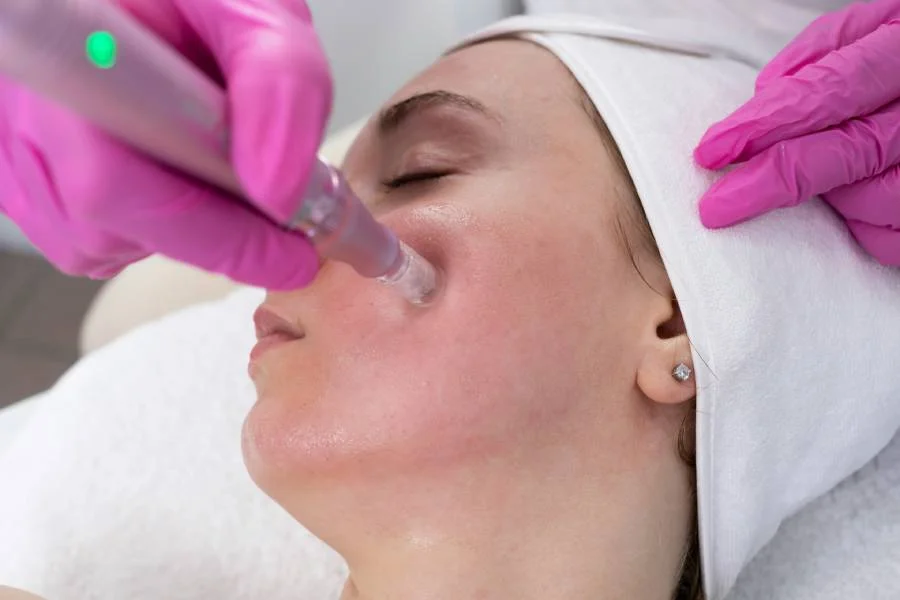
Begin with the physical side of things. A device studded with very fine needles punches thousands of tiny channels into the skin. Microscopic. Precise. Controlled.
Each channel is a minuscule injury. Nothing you’d ever notice, but enough to get the skin’s attention. And that’s the whole trick. Your skin reads each channel as something to fix, and gets straight to work. No injury, no trigger. No trigger, no fresh collagen. So the controlled damage isn’t a side effect here. It’s the entire mechanism.
The Healing Cascade
Now the biology, which is where it gets interesting. Every tiny channel sets off your body’s natural wound-healing process, miniaturised.
It moves through phases:
- First, a quick burst of inflammation as the skin reacts.
- Next, repair cells turn up and rebuild the spot.
- Last, fresh collagen and elastin get laid down.
That final phase is the whole payoff. In the weeks after a session, your skin quietly remakes itself, trading old, tired tissue for new, firmer collagen. Same process that patches up a grazed knee. Just harnessed, deliberately, for your face.
Why Injury Helps
Here’s the part that throws people. How on earth does harming skin make it better? Perfectly fair question.
One word answers it. Dose. A tiny, shallow, controlled injury sparks repair without doing any actual harm. Your skin doesn’t merely plug the channel. It renovates the whole area around it, building fresh collagen as it goes. So you come out with better skin than you started with. Not despite the injury. Because of it. Repair, aimed on purpose.
What It Improves
All that new collagen does genuine, visible work. Microneedling is no one-trick pony.
It tends to help with:
- Fine lines and rough, uneven texture.
- Acne scarring and pitted surfaces.
- Enlarged-looking pores and general dullness.
- Firmness, tone and a bit of glow.
And there’s a bonus. Those tiny channels briefly allow your skincare to sink in more deeply. So it works from the inside and squeezes more out of what you apply on top. Don’t expect miracles by morning, though. This is a slow, course-based treatment, not an overnight switch.
Device And Depth
Here’s what people badly underestimate. The result rides almost entirely on the device and the depth. Not all microneedling is equal. Nowhere close.
A proper, medical-grade device hits the right depth to trigger real collagen, safely and evenly. Cheap home rollers rarely can, and in clumsy hands they do more harm than good. The depth gets dialled in for your skin and your concern, which takes actual training. It breaks the skin, too, so hygiene and a qualified pair of hands genuinely matter. The science only pays off when the tool, and the person wielding it, are up to it.
Choosing A Clinic
Since depth, device and hygiene all count, the clinic makes all the difference. This is a medical procedure. Not a beauty add-on.
If you’re weighing up microneedling in London, look for a clinic that:
- Uses a professional, medical-grade device.
- Dials the depth to your skin and your goals.
- Keeps hygiene tight, with sterile, single-use tips.
A clinic that treats microneedling as the clinical procedure it really is, rather than a quick fix, is the one to trust with your skin.
Repair, On Purpose
So, the short of it. Microneedling works by making tiny, controlled injuries that wake your skin’s repair response, and that response lays down fresh collagen. What you get is firmer, smoother, better-quality skin. Over a course, though, not in a day.
Curious what it could do for you? Microneedling in London at a clinic such as Define Clinic can be tailored to your skin and goals. A consultation is the sensible starting point, and a good way to plan a proper course.
