

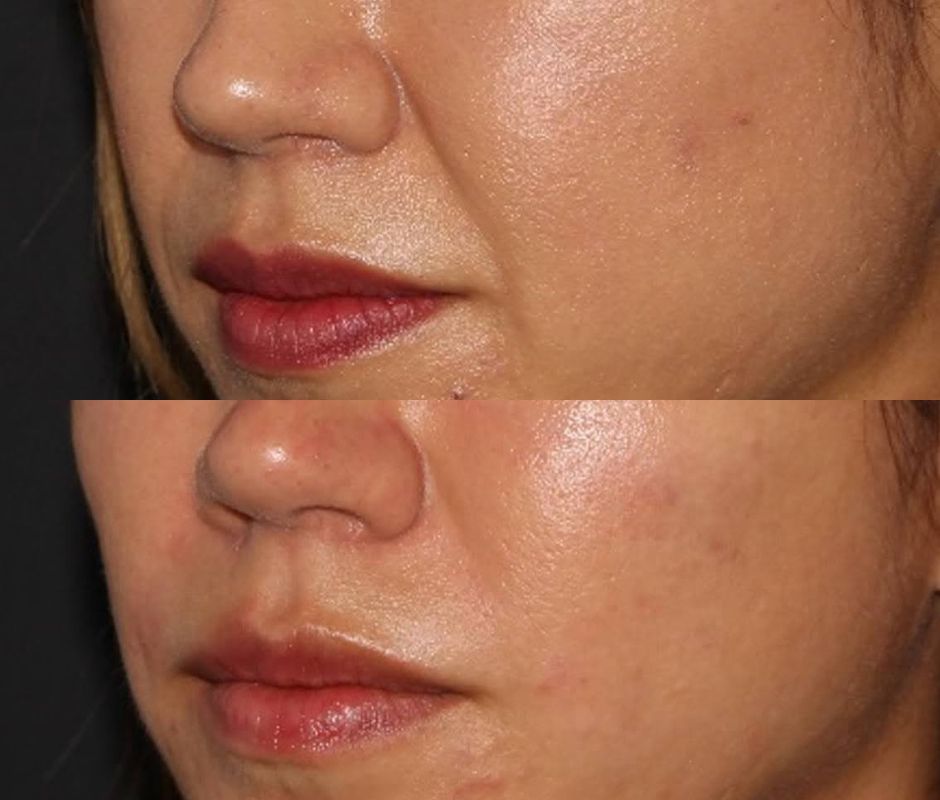
How to Read Before and After Photos
Before-and-after photos sell treatments; that’s the problem. A good result and clever lighting can look identical in a small phone image. So before a dramatic pair of pictures sway you, learn to read them properly. Here’s what to look for, what to ignore, and the tricks worth spotting.
Key Takeaways:
- Lighting and angles can fake half a result.
- The setup should match exactly in both photos.
- Honest clinics show consistent, unretouched images.
We’ve all been stopped by a striking before and after. One photo tired and dull, the next glowing and lifted. It’s persuasive stuff. It’s meant to be. That’s precisely why a little scepticism helps.
Here’s the thing. A genuine result and a well-staged photo can look almost the same online. Good lighting flatters. A tweaked angle transforms. If you’re choosing an aesthetic treatment in London based in part on these images, knowing how to read them properly will protect you from disappointment.
So let’s pull back the curtain. What makes a photo honest, what makes it misleading, and how to tell them apart.
Why They Mislead
Start with the uncomfortable truth: before-and-after photos are marketing. Not evidence. That doesn’t make them worthless, but it does mean you should read them with your eyes open.
The issue is how easily a photo can be shaped. The same face, shot two different ways, can look like two different people. Change the light, the angle, the expression, even the makeup, and the result shifts dramatically. None of that is the treatment. It’s the photography. Learning to separate the two is the whole skill.
The Lighting Trick
Lighting is the biggest culprit by far. It can add years or erase them, with no treatment involved at all.
Harsh, flat lighting in the before shot deepens every line and shadow. Soft, even lighting in the after smooths everything out. Same face, wildly different impression. So look closely. Does the light match across both images? If the before looks gloomy and the after looks radiant, be suspicious. A fair comparison uses identical lighting, every time.
Angles And Expression
Next come angle and expression, and they’re sneakier than lighting. A tiny shift changes everything.
Watch for a few things:
- A downward tilt in the before, which exaggerates sagging.
- A lifted chin in the after, which smooths the jaw and neck.
- A frown before, a relaxed face after, faking a wrinkle result.
None of these involves any actual treatment. They’re just posing. In an honest pair, the head position and expression should match closely. If the person is frowning in one and serene in the other, the photo is doing the work, not the treatment.
The Fair Comparison
So what does an honest before-and-after actually look like? Consistency is the answer. Everything except the result should be the same.
That means matching lighting, the same angle, the same distance, the same neutral expression, and, ideally, no makeup masking anything. When the setup is identical, any difference you observe is genuinely due to the treatment. That’s a photo you can trust. The more the two images match in every other respect, the more real the result.
Beyond The Photo
Even a fair photo only tells you so much, so don’t stop there. One perfect pair proves very little on its own.
Look for a range of results, not one showstopper. Real clinics show typical outcomes, not just their single best case. Reviews, consultations and how a clinic talks about realistic results matter far more than any image. And be wary of anything that looks too flawless, since heavy retouching is its own red flag. Photos are a starting point, not the whole story.
Choosing A Clinic
All of this feeds into who you trust, which matters more than any gallery. An honest clinic uses honest photos, and it shows.
If you’re weighing up an aesthetic treatment in London, look for a clinic that:
- Shows consistent, realistic before-and-after images.
- Doesn’t rely on dramatic lighting or retouching.
- Talks openly about realistic, typical results.
A clinic confident in its actual work does not need to flatter its photos. That confidence is exactly what you want.
Look Closer
So, in short. Before-and-after photos are useful, but only if you read them critically. Check the lighting, the angle, and the expression; look for consistency, and never judge based on a single dramatic pair.
If you’d like to see honest results and talk through what’s realistic for you, a London aesthetic clinic such as Define Clinic London can show you genuine outcomes and set clear expectations. A consultation beats any photo when it comes to working out what will actually suit you.
