

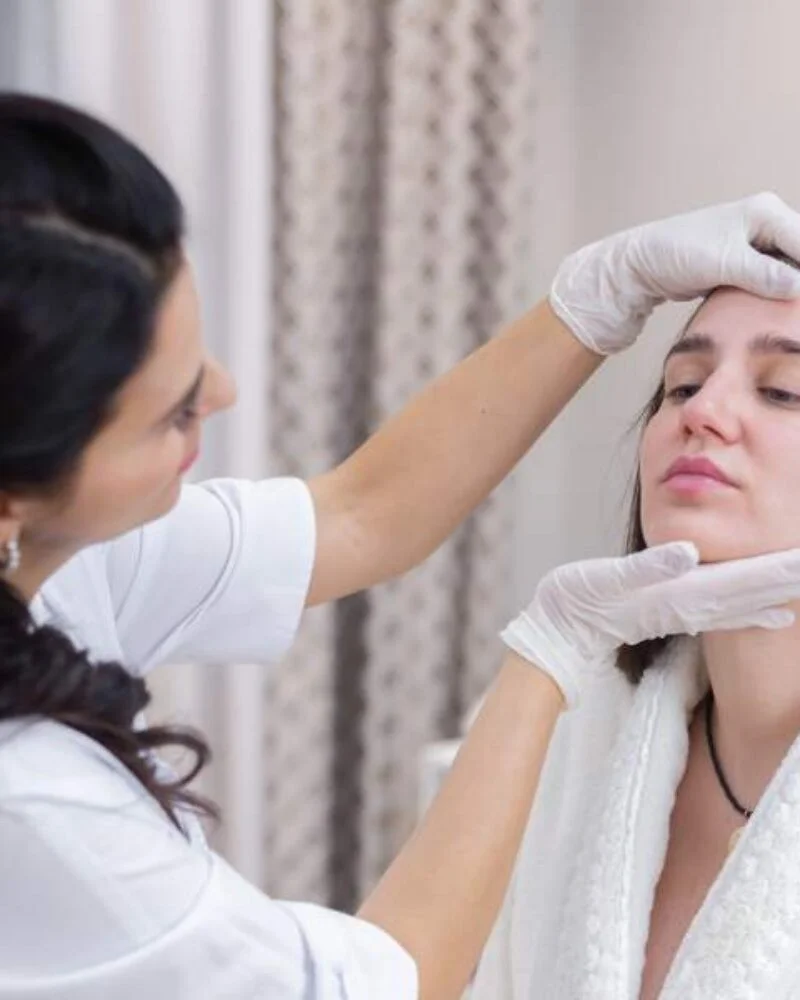
Is Moxi Laser Safe? Risks and Management
Moxi gets called one of the kinder skin lasers, and that’s fair. But it’s a real medical treatment, so wanting to know the downsides makes sense. Here’s the honest version. Most side effects are mild and gone within days. The rarer stuff is nearly always avoidable when a skilled person is behind the machine. Both are covered below.
Key Takeaways:
- Moxi carries low risk, and the usual side effects fade within days.
- When something rarer does go wrong, it’s usually due to incorrect settings or skipped aftercare.
- The real safeguard is simple: a careful assessment and a clinician who knows their stuff.
Fair to raise an eyebrow at anything that points a laser at your face. People call Moxi gentle, and they’re right, but gentle and risk-free aren’t the same thing. You’re still putting energy into living skin, and that’s worth respecting first.
Here’s the reassuring part: done by the right person, the moxi laser has a solid safety record. For most people, the worst of it is a few days looking pink and flaky. When things do go sideways, it’s almost always about how the treatment was handled, not the laser itself. Keep that in mind as we go.
We’ll run through the everyday effects and rarer risks, then who ought to wait and how a decent clinic keeps you safe.
How Safe Is Moxi
On the spectrum of lasers, Moxi lives at the gentle end. The technical term is non-ablative, which means it works beneath the surface and leaves the top layer of skin intact. Skip that top-layer damage, and you skip a big chunk of what makes harsher lasers riskier.
There’s another safeguard built in. Moxi treats the skin in discrete fractions, leaving nearby skin untouched to help it heal, which is a low-risk treatment for a healthy adult. Low-risk isn’t no-risk, mind you, and the clinics worth trusting will say so out loud.
Normal Side Effects
A handful of reactions are meant to happen. They’re not something going wrong. They’re your skin responding exactly the way it should.
That first week tends to go something like this:
- Day one or two, your skin feels warm and looks pink, much like a mild sunburn.
- Over the next few days, it dries into a gritty, sandy texture and starts to flake.
- You might get some puffiness too, usually around the eyes, and it drops away fast.
Honestly, none of it asks much. Keep the skin moisturised, stay patient, and it clears while you carry on.
Less Common Risks
Now the rarer stuff, worth reading even though it’s uncommon. Careful planning avoids most of it.
A few examples give you the idea:
- Pigment sometimes shifts, temporarily darkening or lightening, especially when the settings don’t match your tone.
- Redness can linger longer than it should, and the skin rarely blisters if the energy is pushed too hard.
- Very occasionally, there’s an infection, or a cold sore flares up near the mouth.
See the theme? It nearly always comes back to the settings and technique, or aftercare that slipped, which is exactly why the person treating you matters so much.
Who Should Wait
Moxi suits most people, but not everyone, and not always right now. Sometimes the smartest move is to hold fire, and a good clinic will say so rather than take your money.
Push your appointment back if any of these apply to you:
- There’s an active skin infection or a fresh breakout that you’d be treated for.
- You’re pregnant, since most clinics avoid elective laser then.
- You’ve caught the sun recently, or you’re carrying a fresh tan.
- You’re on medication that leaves your skin more sensitive to light.
That’s why your medical history gets a proper look first. It isn’t red tape. It’s how they spot the few people whose timing just isn’t right.
Aftercare And Prevention
Once you walk out the door, a fair slice of the safety is down to you. Top of the list is sun protection, since freshly treated skin catches and marks far more easily than usual.
For a week or two, these habits earn their keep:
- Put on a high-factor sunscreen daily, grey skies included.
- Park the strong actives, so no retinol or acids until things settle.
- Keep everything moisturised, and whatever you do, leave the flakes alone.
Stick to the aftercare, and the chance of a problem shrinks to almost nothing. Let it slide, sun protection most of all, and you throw away a lot of the benefit.
Choosing A Clinic
You’ve probably spotted the pattern. Nearly every Moxi risk traces back to how it’s done and who’s doing it, which makes your choice of clinic the biggest safety call you make.
If you’re weighing up the moxi laser near Beaconsfield, a few markers are worth hunting for:
- A medically qualified professional is the one who chooses the settings and runs the session.
- There’s real hands-on experience across skin tones, since the safe numbers move with tone.
- You get a genuine consultation before anything else, not a rushed sell.
A clinic that puts safety first, not bolted on afterwards, is the one that earns your booking.
Safe In Skilled Hands
So, is Moxi laser safe? For the vast majority of people, yes, provided the person holding it knows their trade. The routine effects are minor and short-lived, and the rarer risks mostly vanish with careful assessment, the right settings, and decent aftercare.
If you fancy finding out where you stand, a Beaconsfield clinic such as Define Clinic can look over your skin, give you the risks straight, and say whether Moxi suits you. One consultation tells you far more than any leaflet.
